
01 / Meet the need
Care begins with the essentials.
Food, supplies, treatment, and attention are the building blocks behind every safer day. Use this space to explain the project in plain language.

Nearly 800 million people in Africa are experiencing hunger. African countries have the highest rates of malnutrition in the world. Africa accounts for 42% of the world's total disabled population, with many being children.
The current, devastating food crisis is forcing families who depend on livestock for their livelihoods to continue migrating in search of food and water. The situation is growing worse by the day, and many children risk losing their lives. In addition, children and adults with disabilities are especially vulnerable, facing even greater obstacles to access the aid and support they desperately need.

Children in Africa live in poverty, facing extreme hunger and devastating food crises. They need your help.

Our Work for Children in African
In response to an extreme hunger crisis, Our teams has been on the ground in African since September 2016 conducting nutritional screenings and treatments in 149 sites in four of the driest counties in the north.
Our teams is among the lead agencies working with African ’s Humanitarian Partners Team at the national level to identify, treat and prevent hunger and malnutrition.
Our teams are training health workers to identify and treat children for malnutrition and are providing infant- and child-feeding programs to mothers. We have rolled out screenings for malnutrition, reaching over 69,691 children five years old and younger, and more than 25,738 pregnant women.

In addition, we are helping keep schools and health facilities open by trucking in clean water and providing technical assistance in water, well and storage systems. And we are helping communities prepare for and prevent future crises by providing technical assistance to develop and implement response plans.


Home Safe Haven
Support a safer life for people and animals who need care, stability, and a place to recover.
Choose the level of support that feels right, then continue through secure Shopify checkout.
Couldn't load pickup availability
Nearly 800 million people in Africa are experiencing hunger. African countries have the highest rates of malnutrition in the world. Africa accounts for 42% of the world's total disabled population, with many being children.
The current, devastating food crisis is forcing families who depend on livestock for their livelihoods to continue migrating in search of food and water. The situation is growing worse by the day, and many children risk losing their lives. In addition, children and adults with disabilities are especially vulnerable, facing even greater obstacles to access the aid and support they desperately need.
Children in Africa live in poverty, facing extreme hunger and devastating food crises. They need your help.
Our Work for Children in African
In response to an extreme hunger crisis, Our teams has been on the ground in African since September 2016 conducting nutritional screenings and treatments in 149 sites in four of the driest counties in the north.
Our teams is among the lead agencies working with African ’s Humanitarian Partners Team at the national level to identify, treat and prevent hunger and malnutrition.
Our teams are training health workers to identify and treat children for malnutrition and are providing infant- and child-feeding programs to mothers. We have rolled out screenings for malnutrition, reaching over 69,691 children five years old and younger, and more than 25,738 pregnant women.
In addition, we are helping keep schools and health facilities open by trucking in clean water and providing technical assistance in water, well and storage systems. And we are helping communities prepare for and prevent future crises by providing technical assistance to develop and implement response plans.


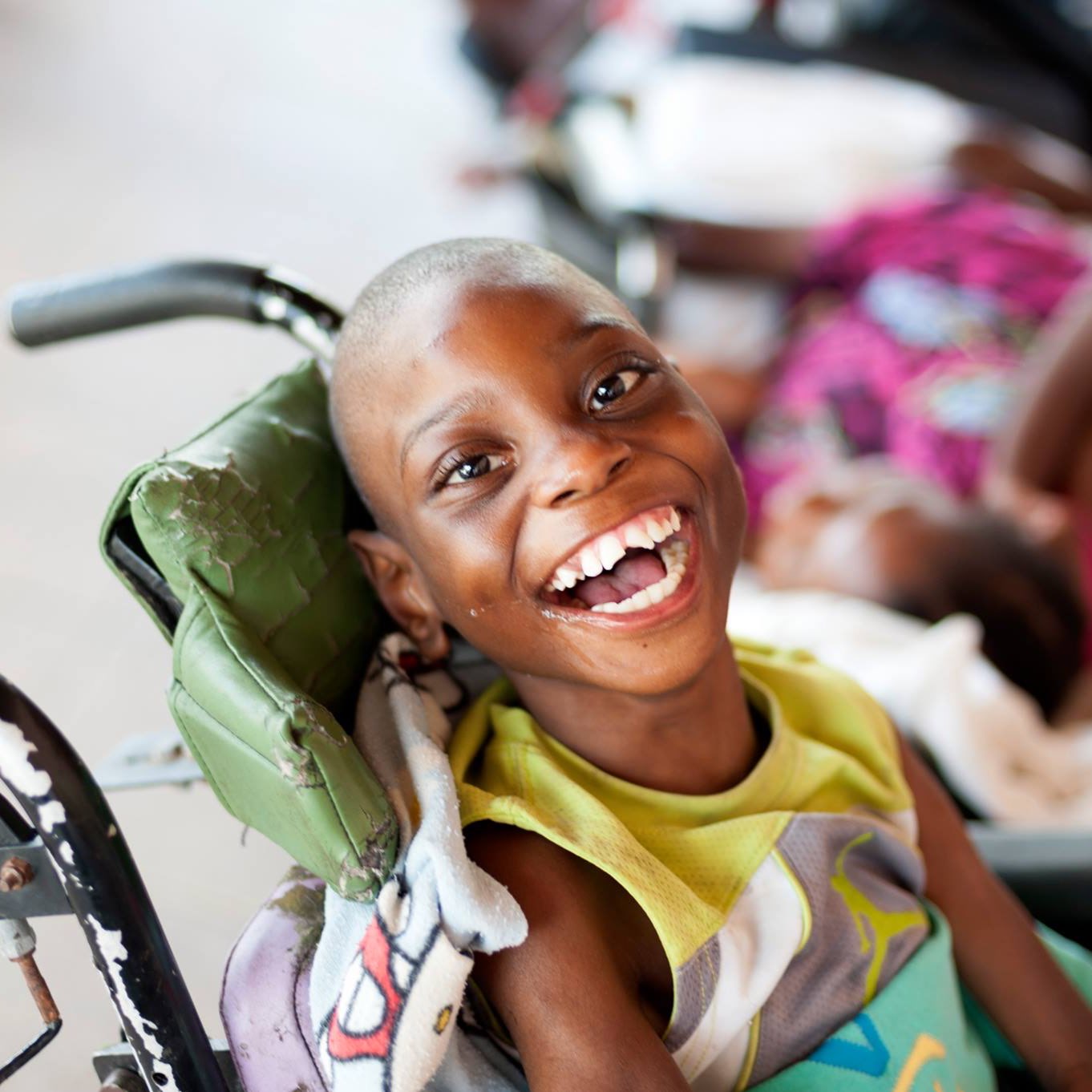
The project behind your gift
Start with the need, make the work easy to understand, and show how a donation helps create a safer next step.

01 / Meet the need
Food, supplies, treatment, and attention are the building blocks behind every safer day. Use this space to explain the project in plain language.
02 / Keep the work moving
When support is steady, the team can focus on care and follow-through instead of only reacting to the next emergency.